Teacher SVG Clipart: A Designer’s Embroidery Review
As a designer who spends half my life digitizing and the other half stitching, I have learned that not every cute graphic translates well to thread. We often browse marketplaces looking for that perfect digital embroidery file, hoping it will elevate our next craft business launch. Recently, I took a close look at Teacher SVG Clipart to see if it holds up under the needle. This isn’t just about how it looks on a screen; it is about how it performs as a tangible handmade product.
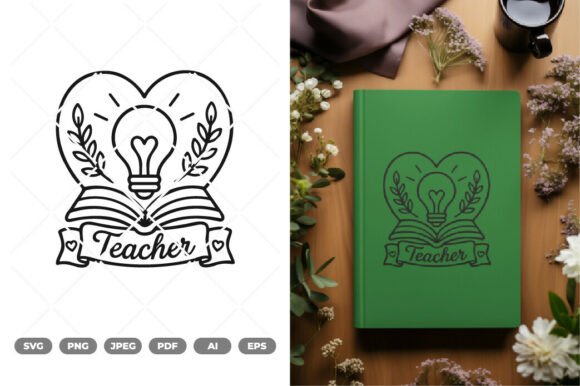
The first impression of this design is clean and thematic. It captures the essence of education without relying on overly complex details that often cause stitching headaches. For those of us creating custom apparel or boutique items, the visual personality here is approachable and professional. It feels right at home in the Crafts category, specifically for projects targeting educators, school staff, or proud parents. However, seeing a vector or PNG preview is very different from watching it stitch out on fabric.
Real-World Application: The Tote Bag Test
To truly evaluate Teacher SVG Clipart, I imagined a specific real-life scenario: creating a durable, stylish tote bag for a kindergarten teacher’s end-of-year gift. Tote bags are a staple for Etsy sellers because they are practical and offer a large canvas for design. When placing this graphic on a heavy cotton canvas, the simplicity of the lines becomes an asset. Complex designs with tiny text often get lost in the weave of textured fabrics, but this layout maintains its integrity.
If you are planning a sweatshirt embroidery project, the same logic applies. A fleece or cotton blend has more give and texture than broadcloth. The design’s bold shapes ensure that the message remains clear even when the fabric stretches slightly during wear. This clarity is crucial for personalized gifts where the recipient needs to read and appreciate the sentiment instantly. Whether it is for a holiday embroidery gift or a daily use item, the legibility of the design drives customer satisfaction.
Stitching Dynamics and Fabric Considerations
One critical note for any embroidery project is understanding how the design interacts with different materials. Since the included file is a PNG, you will likely be using auto-digitizing software or manually tracing the image to create your machine path. This step requires careful judgment. If you are new to digitizing, pay close attention to stitch density. Too dense, and you risk puckering lightweight fabrics; too sparse, and the backing fabric might show through on dark garments.
For baby embroidery items like onesies or burp cloths, softness is paramount. I would recommend using a light cut-away stabilizer to support the stitches without adding stiffness. The design works well here because it doesn’t require thousands of stitches to convey its meaning. Less bulk means more comfort for sensitive skin. Conversely, if you are making an embroidered patch for a jacket, you can increase the density and use a satin stitch border to give it a polished, professional edge that withstands frequent washing.
Be cautious with curved surfaces like caps. While the design is versatile, placing it on a structured cap requires checking the hoop alignment carefully. Distortion can happen if the design is too wide for the front panel. Always test on scrap fabric first. This is non-negotiable for maintaining quality in a small shop product line. Check your thread colors against the fabric. High contrast usually looks best for this type of graphic, ensuring the design pops rather than blending in.
Commercial Viability and Brand Consistency
For commercial embroidery professionals, consistency is key. Using Teacher SVG Clipart across a collection—such as matching mugs, shirts, and tote bags—creates strong brand recognition. The aesthetic fits seamlessly into the back-to-school season, Teacher Appreciation Week, and graduation periods. These are peak times for craft fair products and online sales. A cohesive look helps build trust with buyers who are looking for high-quality, thoughtful items.
However, since the product description mentions it includes one PNG file, you must consider the workflow. A PNG is a raster image, not a native embroidery format like PES or DST. You will need to convert it. This extra step allows you to customize the size and stitch types, such as choosing between a fill stitch for larger areas or a running stitch for finer details. This flexibility is a double-edged sword; it offers creative control but demands technical skill. If you are selling design assets or finished goods, ensure your final digitized version is optimized for speed and quality.
Practical Designer Notes for Best Results
Before you list this as a new item in your store, run through this checklist to ensure your finished product meets professional standards:
- Test on Scrap Fabric: Always stitch a sample on the exact material you plan to sell. Fabric texture affects how threads sit.
- Check Contrast: View your design in black and white mockups. If it loses definition, adjust your thread choices or add outlining.
- Verify Licensing: Confirm whether the license allows for commercial use of the finished physical items. This is vital for Etsy sellers and boutique owners.
- Hoop Size Matters: Ensure the design fits comfortably within your standard hoops without hitting the edges, especially for smaller items like baby clothes.
- Stabilizer Selection: Match your stabilizer to the fabric weight. Heavy denim needs different support than a thin kitchen towel.
- Inspect Small Details: Zoom in on your digitized file. Are there any tiny elements that might break or bunch up? Simplify if necessary.
Using Teacher SVG Clipart effectively means respecting the limitations and strengths of embroidery machinery. It is not just about slapping a graphic on a shirt; it is about creating a durable, attractive personalized gift that feels valuable to the recipient. When done correctly, the result is a piece that enhances the perceived value of your work.
Final Thoughts on Design Utility
In the world of Graphics for crafters, simplicity often wins. This design offers a solid foundation for various applications, from tote bag design to apron embellishments. It avoids the pitfalls of overly intricate patterns that frustrate both the maker and the machine. For the experienced designer, it is a canvas for customization. For the beginner, it is a forgiving starting point, provided you take the time to digitize it correctly.
Remember, the success of your embroidery file depends largely on your preparation. Take the time to understand how the lines translate to stitches. Consider the end user’s experience. Will this custom apparel hold up after ten washes? Will the holiday embroidery on that pillow cover remain crisp? By asking these questions and testing thoroughly, you turn a simple digital download into a reputable, high-quality product. That is the difference between a hobbyist experiment and a successful craft business offering.