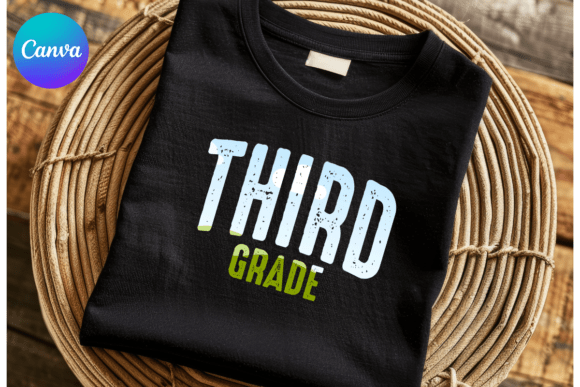
Review: Third Grade Retro School Canva Frame
As a designer who spends half my life staring at stitch simulations and the other half troubleshooting hoop tension, I have learned that not every digital asset translates well to thread. We often get swept up in the visual appeal of a Graphics file on a screen, forgetting that embroidery is a tactile, three-dimensional medium. When I first encountered the Third Grade Retro School Canva Frame, my initial reaction was one of cautious curiosity. It sits within the Photo Collage Amp category, which usually implies complex layering and fine details—two things that can be nightmares for machine embroidery if not handled correctly.
However, looking past the pixel-perfect preview, I wanted to understand how this design functions in a real-world production environment. Is it just a cute clipart element, or is it a viable component for a profitable craft business? I approached this review as if I were preparing a batch of custom orders for a local boutique, focusing on practicality, stitch integrity, and final product value.
The Aesthetic: Nostalgia Meets Structure
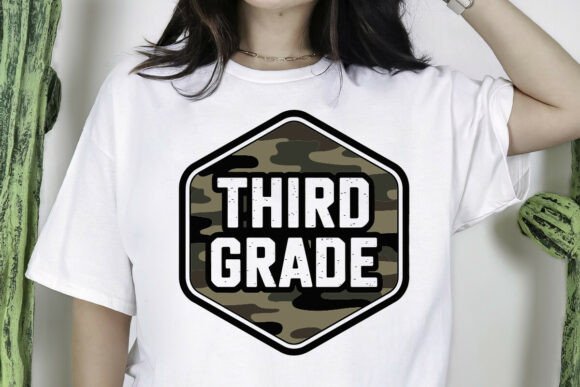
The first thing that strikes you about the Third Grade Retro School Canva Frame is its mood. It evokes a specific kind of warm, structured nostalgia reminiscent of 1970s classroom decor or vintage yearbooks. For an embroidery designer, this aesthetic is gold. It appeals to a wide demographic, from parents looking for personalized gift ideas for teachers to young adults seeking retro-inspired home decor.
The layout suggests a border or frame functionality, which is inherently useful. In embroidery, frames are versatile. They allow us to highlight a name, a date, or a small monogram in the center. The "retro school" theme implies bold lines and perhaps some playful, geometric accents. From a design perspective, this is promising because bold shapes generally translate better to thread than wispy, watercolor-style gradients. The visual personality feels sturdy and approachable, making it a strong candidate for items that need to feel durable and cherished, like a tote bag design or a keepsake pillow.
Real-World Application: Beyond the Screen
To test the viability of this asset, I imagined several production scenarios. The most obvious application is sweatshirt embroidery. A crewneck sweatshirt provides a stable, thick canvas that can handle the density of a frame design without puckering. Imagine placing this retro frame on the chest, with a student’s name or a graduation year stitched cleanly in the center. The contrast between the soft fleece and the structured, retro lines of the frame would create a high-value custom apparel piece.
Another strong use case is the embroidered patch. Patches are trending heavily in the Etsy seller community. Because the Third Grade Retro School Canva Frame is likely designed with clear boundaries, it could serve as the border for a custom merit badge or a fun "school spirit" patch. Here, the stitch density becomes critical. If the design relies too heavily on fill stitch areas without proper underlay, the patch might become stiff and cardboard-like. However, if the design utilizes a mix of satin stitch borders and lighter fill areas, it would remain flexible and comfortable to wear on a denim jacket or backpack.
I also considered its use on a baby embroidery project, such as a bib or a onesie. While the retro theme is charming, one must be careful with scale. A 12 × 12 inch template is quite large for infant wear. In this context, the design would need to be scaled down significantly. This brings us to a crucial point about digital assets: scalability. Does the design hold its integrity when shrunk to a 4-inch hoop? Or do the details merge into a blob of thread?
Technical Considerations and Fabric Challenges
It is important to note that the product description specifies this is a DIGITAL FILE containing a link to Canva frame templates, not a direct embroidery file format like PES or DST. This distinction is vital for commercial embroidery professionals. You are receiving a graphic asset to create your own mockups or to use as a reference for digitizing, rather than a ready-to-stitch file. This changes the workflow entirely.
If you are using this as a reference to digitize your own machine embroidery design, you have full control over the thread colors and stitch types. You can choose a classic running stitch for a sketched, hand-drawn look, or a dense satin stitch for a polished, collegiate feel. However, if you are expecting a pre-digitized file, you may be disappointed. Always confirm the file formats and license terms before purchasing.
When working with textured fabrics, such as linen towels or waffle-knit blankets, the clarity of the frame’s lines will be tested. Thin or stretchy fabrics require a robust stabilizer strategy. For a frame design, cut-away stabilizer is often safer than tear-away, as it prevents the fabric from distorting around the edges of the frame during washing. Dark fabrics present another challenge; if the retro palette includes light pastels, you will need to ensure your digitizing includes a sufficient underlay to prevent the dark fabric from showing through the stitches.
Commercial Value and Brand Consistency
For small shop product creators, consistency is key. The Third Grade Retro School Canva Frame offers a cohesive look that can be repeated across different products. You could use the same frame design on a kitchen towel, a cap, and a pillow cover, creating a recognizable brand aesthetic. This repetition builds customer trust and recognition.
Furthermore, the ease of creating printable mockup images using the included Canva template cannot be overstated. In the world of online sales, presentation is everything. Being able to quickly drag and drop your embroidery photos into a professionally designed frame allows you to create high-quality listings without spending hours in Photoshop. This efficiency directly impacts your bottom line, allowing you to list more design assets and reach more customers.
Final Verdict for the Practical Designer
My advice to fellow designers and makers is to approach the Third Grade Retro School Canva Frame as a versatile tool rather than a finished solution. Its strength lies in its thematic clarity and its potential for customization. Before committing to a large production run, always test the design on scrap fabric. Check how the corners stitch out, verify the hoop size requirements, and inspect the small details for clarity.
If you are an appliqué design enthusiast, consider using this frame as a guide for fabric placement, stitching only the border and filling the center with contrasting textile. This reduces stitch count and adds texture. Ultimately, this design fits best in projects that celebrate memory, education, and nostalgia. Whether you are creating holiday embroidery gifts for teachers or building a line of retro-inspired home goods, this frame provides a solid, stylish foundation. Just remember to respect the technical limitations of your machine and fabric, and you will find this asset to be a valuable addition to your creative toolkit.